
Latest posts
-
How to Prepare Your Garden Beds for Winter
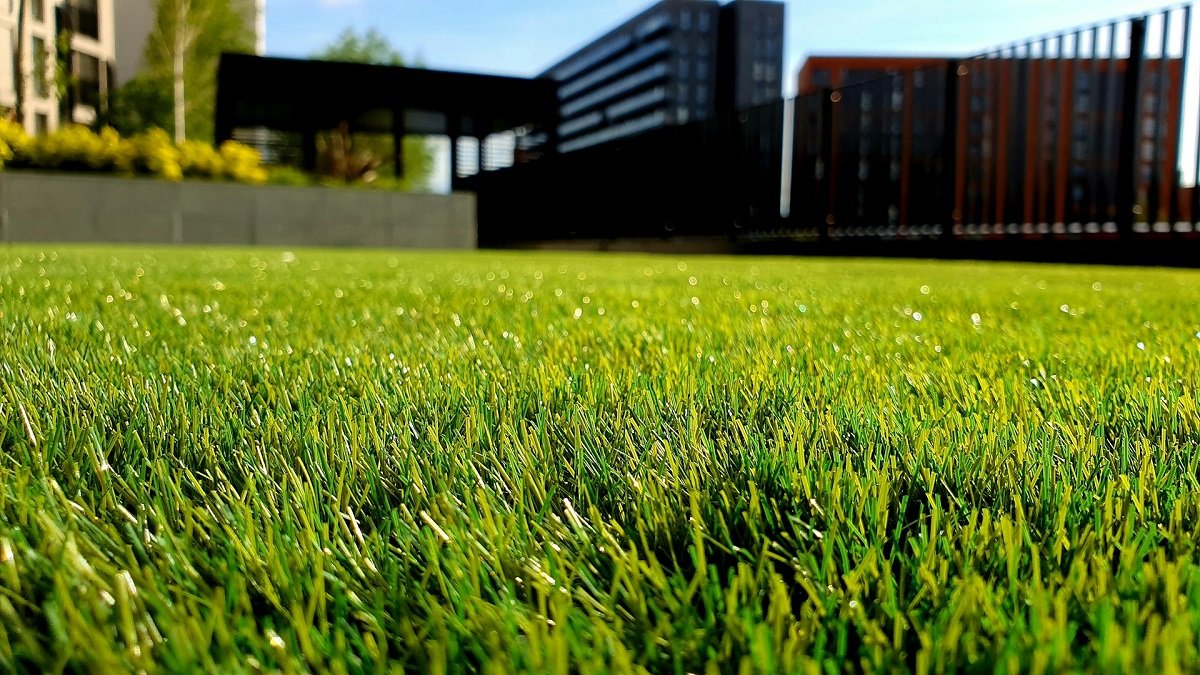
A little work in fall makes spring planting much easier. Pull out spent annuals, remove weeds before they set seed, and add compost to the top of the soil. Should I cut back perennials in the fall? Cut back plants that had disease or pests. Leave healthy seed heads standing, since they feed birds and…
-
Fall Leaf Cleanup: Rake, Mulch or Remove?
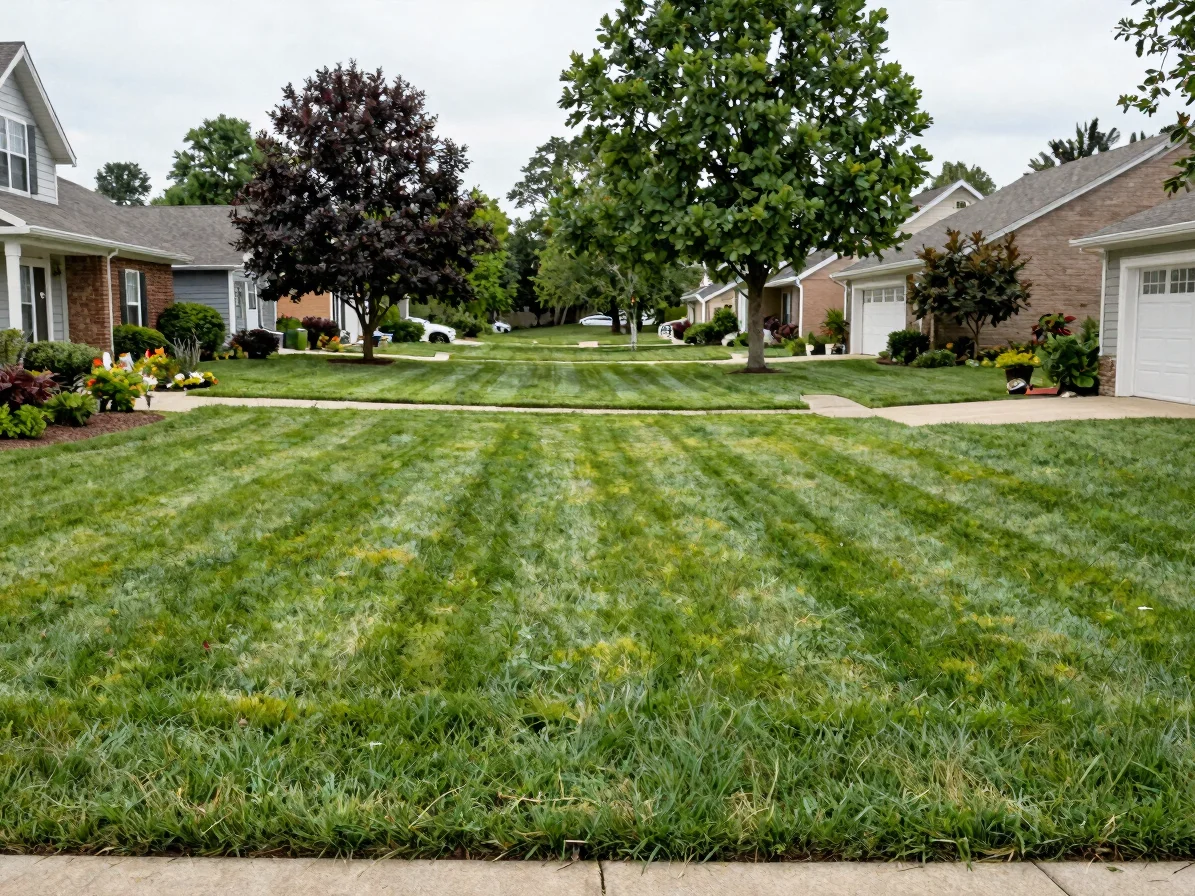
Fallen leaves block sunlight and trap moisture, which can kill grass over winter. You have three options. Raking and removing works best for heavy leaf fall. Mulching with a mower shreds leaves into small pieces that feed the soil. Composting turns them into garden mulch for next year. Can I leave leaves on the lawn…
-
Paver Patio vs Concrete: Pros and Cons
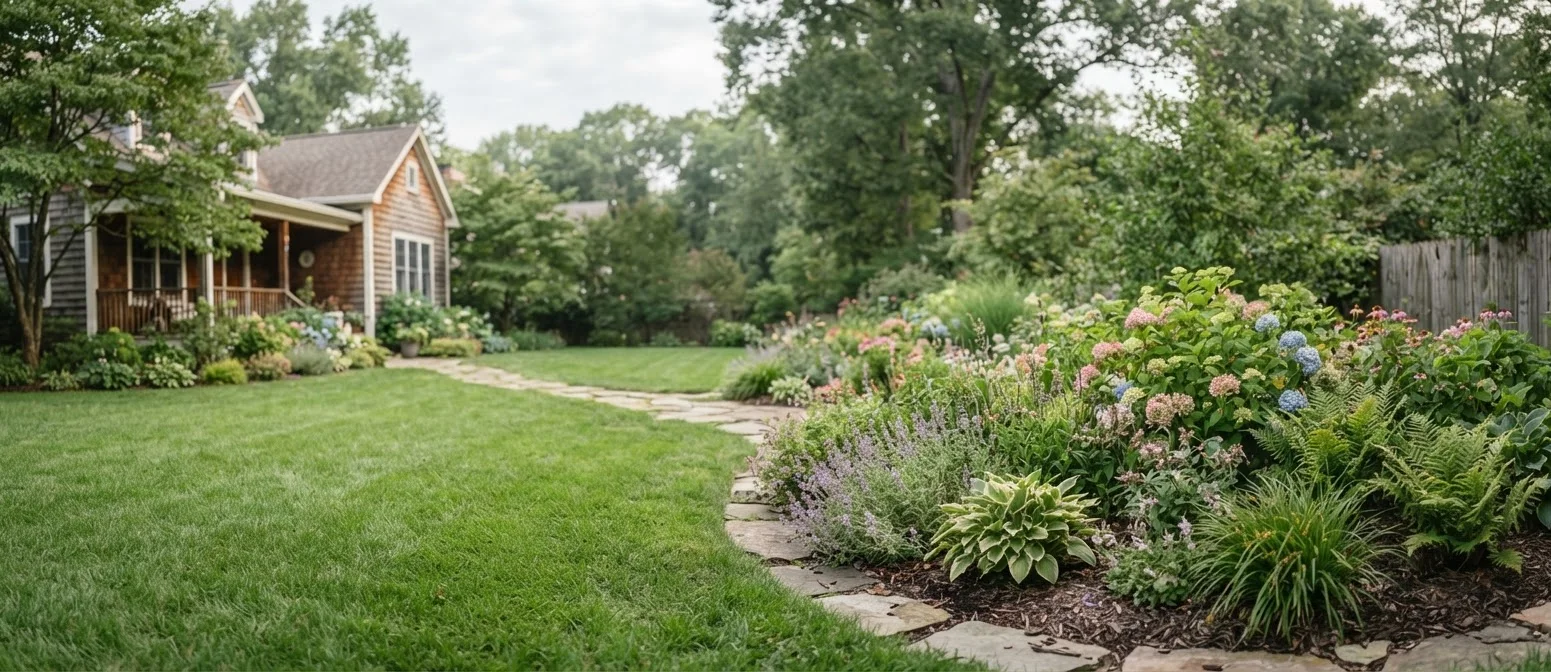
Pavers and poured concrete are the two most common patio choices. Here is how they compare. Pavers Concrete If you expect ground movement or tree roots nearby, pavers usually handle it better.
-
Why Pruning Young Trees Matters
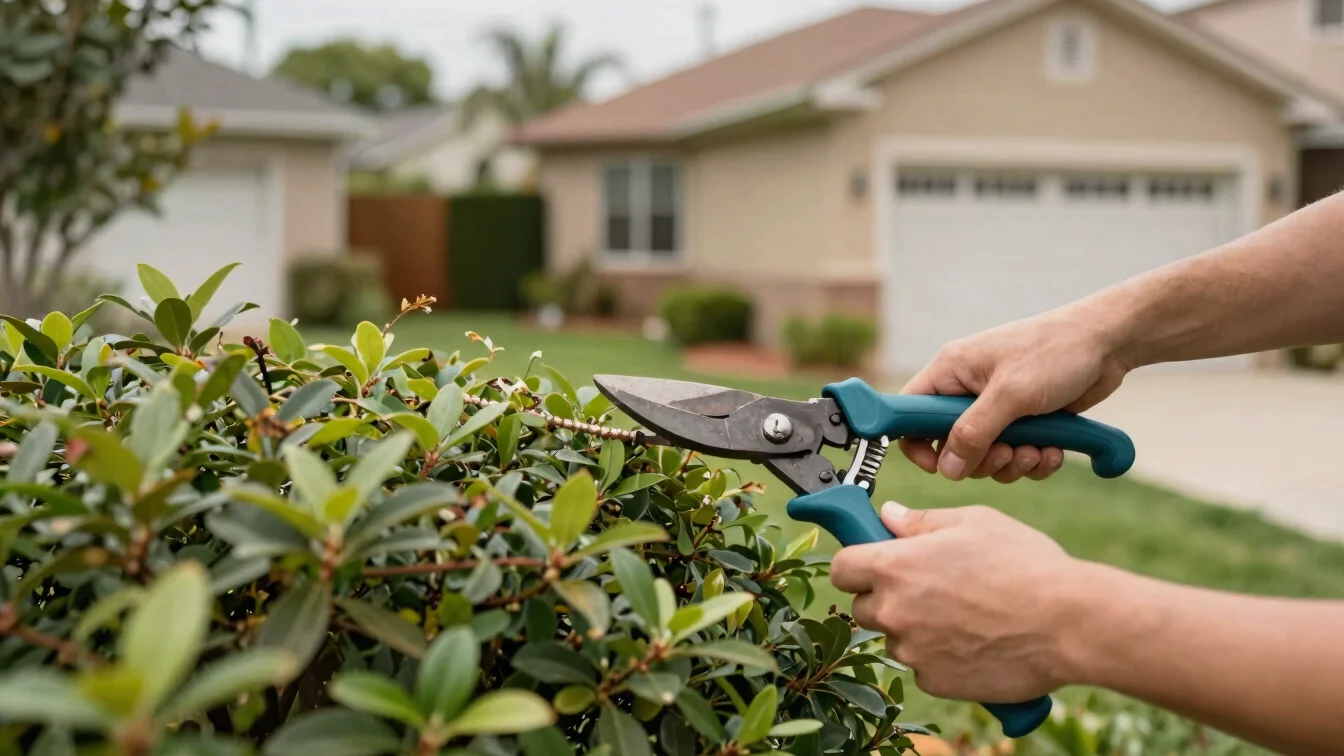
The first five years shape a tree for the rest of its life. Pruning young trees early prevents weak branch joints that can split in storms later. Focus on one central leader, remove branches that cross or rub, and keep lower branches until the trunk is strong. Never remove more than a quarter of the…
-
Choosing Low-Water Plants for Your Garden
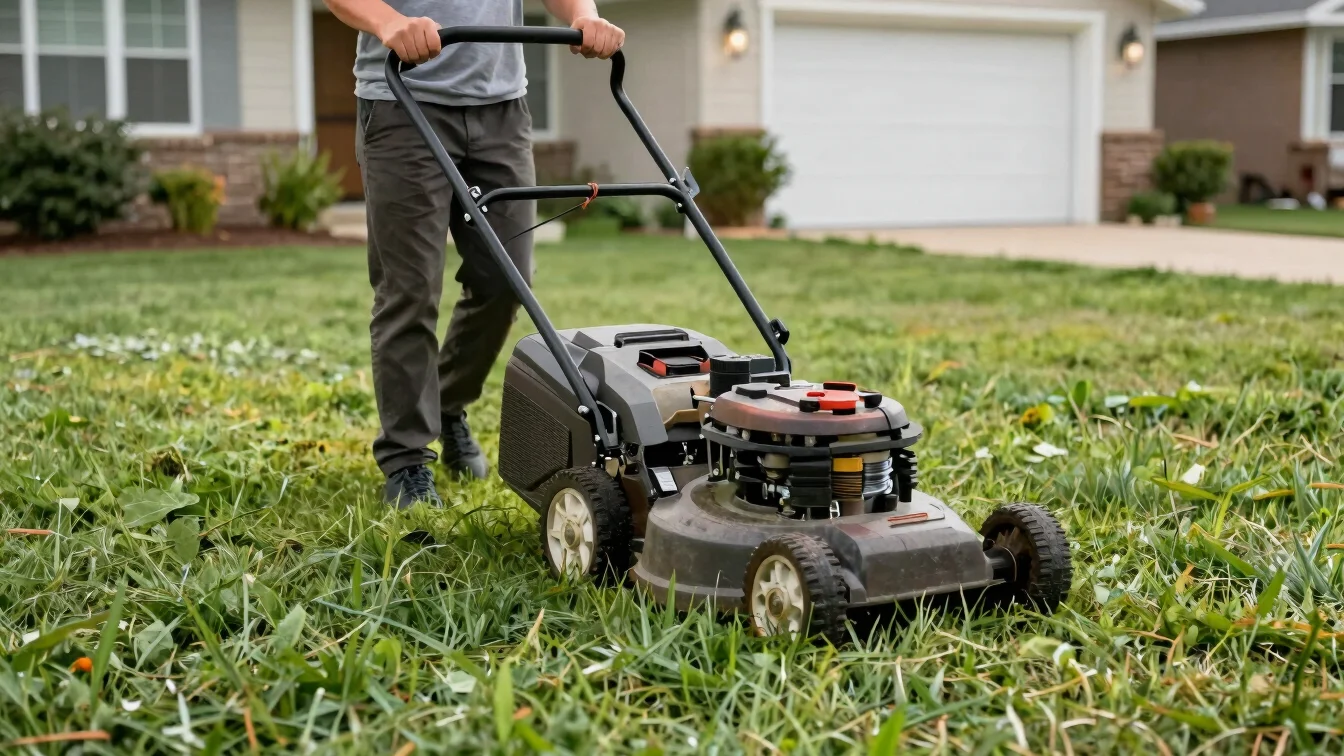
A low-water garden does not have to look dry. Native shrubs, ornamental grasses and many perennials stay green and flower all summer with little irrigation. Group plants by their water needs, so thirsty plants are not mixed with drought-tolerant ones. Add a layer of mulch to keep moisture in the soil. Do native plants need…
-
Drip Irrigation vs Sprinklers: Which Is Right for Your Garden?
Both systems water your yard automatically, but they suit different parts of it. Drip irrigation Sprinklers Best for Beds, shrubs, vegetable gardens Lawns Water use Low Medium to high Visibility Hidden under mulch Pop-up heads Maintenance Check for clogged emitters Adjust heads each season Many homes use both: sprinklers for the lawn and drip lines…
-
How to Water Your Lawn the Right Way
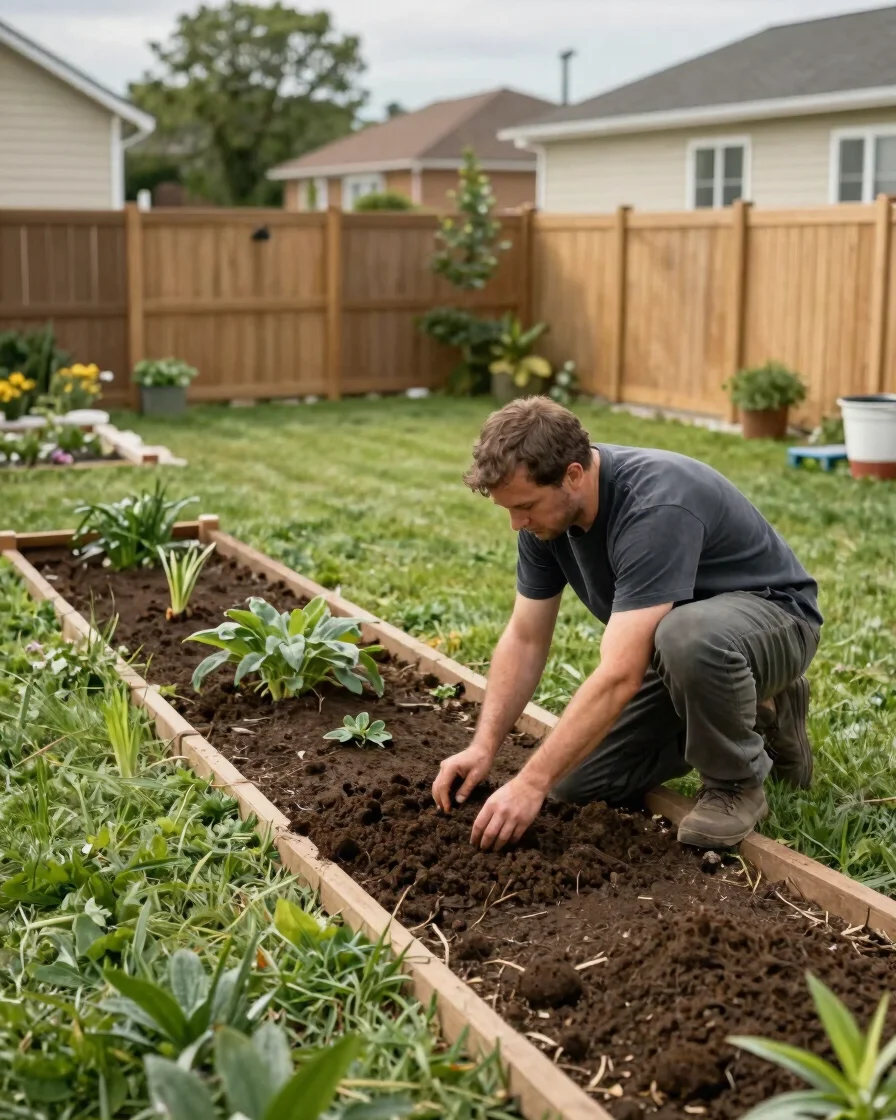
Most lawns need about one inch of water per week, including rain. Watering deeply and less often grows deeper roots than short daily sprinkles. What time of day is best for watering? Early morning, between 5 and 9 a.m. Less water evaporates, and the grass dries before evening, which helps prevent disease. To check how…
-
Spring Lawn Checklist: What to Do in March and April
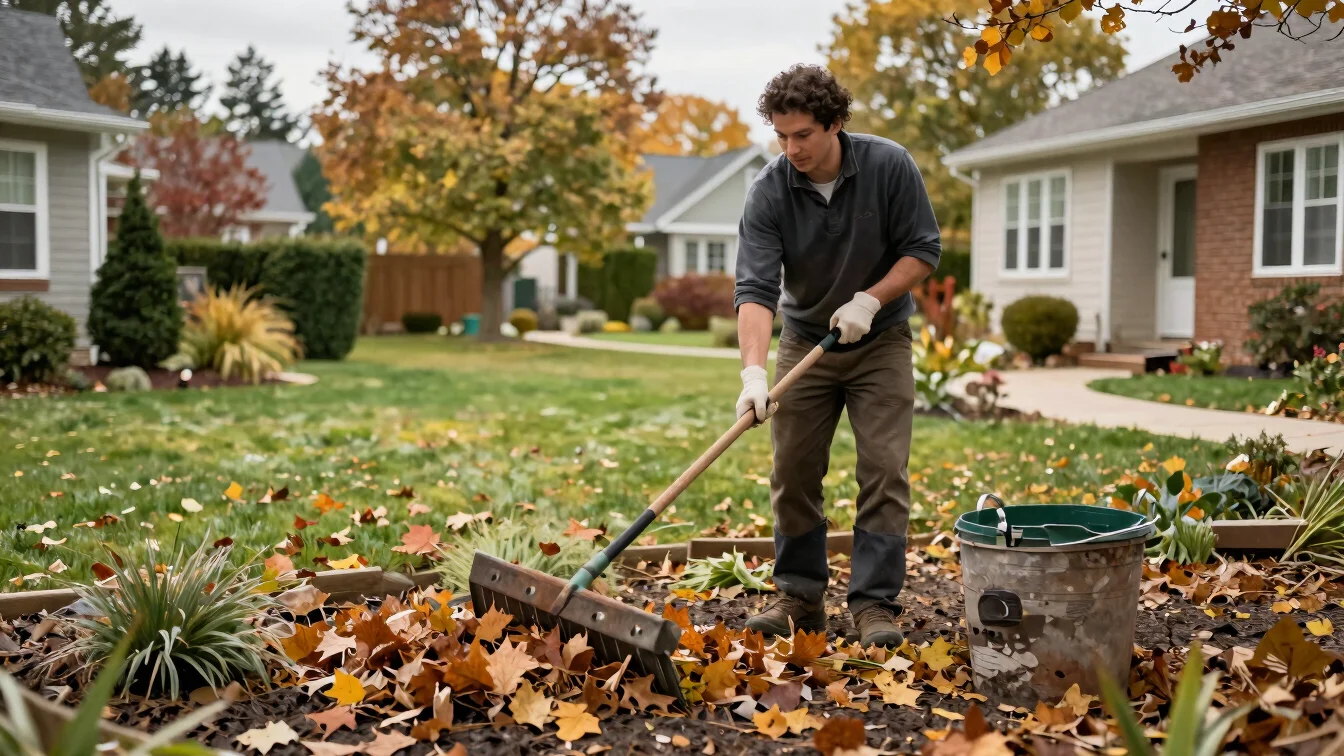
Spring sets up your lawn for the whole year. Work through this list once the ground has dried out: Avoid walking on soggy lawns in early spring. Wet soil compacts easily and takes months to recover.
-
Signs Your Lawn Needs Aeration
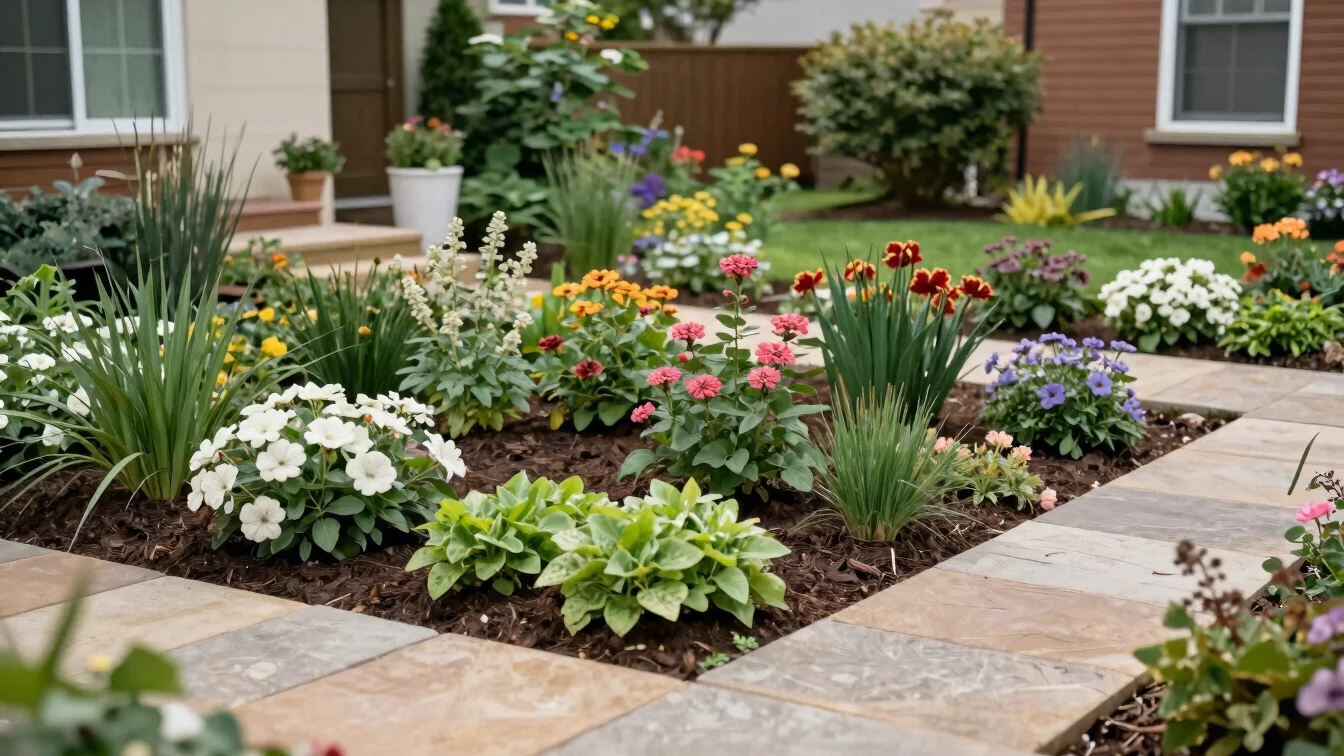
Over time, soil gets compacted and roots struggle to get air, water and nutrients. Aeration pulls small plugs of soil out of the lawn to open it up again. Watch for these signs: Fall is the best season to aerate cool-season lawns, because the grass recovers quickly in mild weather.
-
How Often Should You Fertilize Your Lawn?
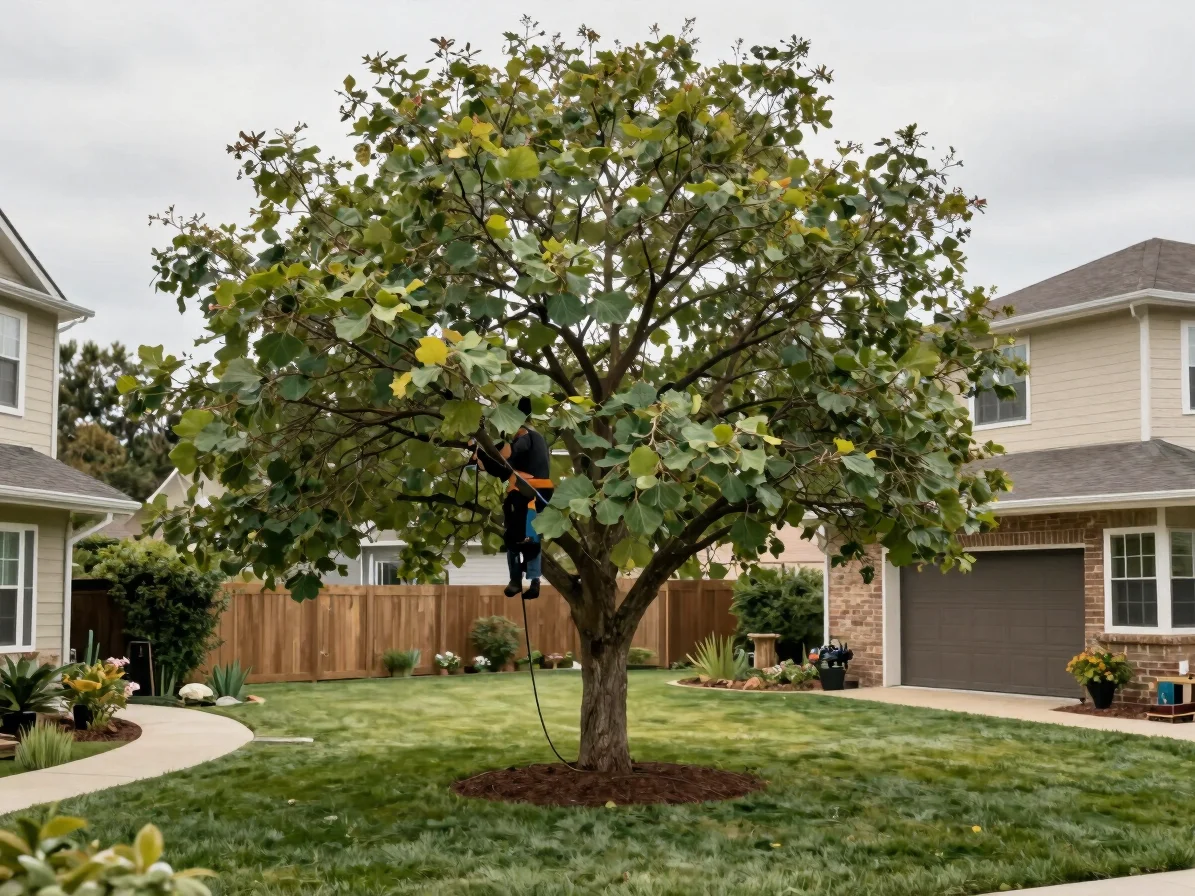
Most lawns do best with three to four feedings a year: early spring, late spring, early fall and late fall. Cool-season grasses need most of their food in the fall, when roots are growing. Use a slow-release fertilizer so the grass gets a steady supply instead of one big burst. Always follow the rate on…